How Much Protein Do Women Over 40 Actually Need?

Medical Disclaimer: This article is for general informational purposes only and does not constitute medical advice. Always consult a qualified healthcare professional about your individual circumstances before making changes to your health management.
Quick Answer
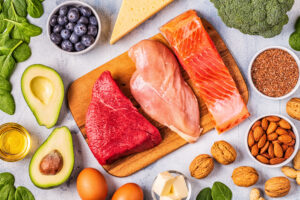
Women over 40 need around 1 to 1.5 grams of protein per kilogram of body weight per day, spread across meals of 20 to 30 grams each. As oestrogen declines, muscle mass drops naturally, slowing metabolism and making weight management harder. Adequate protein preserves lean muscle, boosts metabolic rate through its thermic effect, and keeps hunger hormones in check. Eggs, fish, lean meats, legumes, Greek yoghurt and quality protein powders are all effective sources.
Protein is essential for so much more than just building muscle; it’s a game-changer for boosting metabolism, maintaining energy, and tackling stubborn weight after 40. From increasing metabolic rate to preserving lean muscle, protein is critical for health and long-term wellness. Whether you are curious about how much protein you need or how to select the best protein powder, this guide provides evidence-backed insights into maximising protein intake for sustainable health goals.
Why Protein Is Non-Negotiable After 40
As you move through your 40s and beyond, Protein becomes one of the most powerful tools you have for maintaining a healthy weight, keeping energy stable, and protecting your metabolism against the natural changes that come with age. Most women are not eating enough of it, and that gap quietly drives muscle loss, slowing metabolism and making weight management progressively harder.
Protein and metabolic health: boosting metabolism naturally
One of the most significant ways protein supports weight management is by increasing metabolism naturally. Protein has a high thermic effect of food (TEF), meaning it requires more energy to digest than fats or carbohydrates. A high-protein diet has been shown to boost TEF and calorie burn, according to research from The American Journal of Clinical Nutrition. This can be especially beneficial for those over 40 who may struggle with weight gain due to a naturally slowing metabolism.
Healthy muscle maintenance: preserving muscle for long-term weight management
With age, muscle mass naturally declines, which can lead to a slower metabolism and weight gain. Protein helps preserve lean muscle mass, which is crucial for keeping metabolism active. Muscle tissue burns more calories at rest than fat does, meaning more muscle helps maintain a faster metabolic rate.
For women over 40 in particular, protein helps reset female hormones for weight loss by promoting muscle retention and supporting metabolic health. By sustaining lean muscle, protein contributes to a healthy body composition and weight stability, even through life’s natural changes.

How much protein is right for sustainable health?
So, how much protein does the body actually need to see these benefits? Protein requirements vary based on factors like age, activity level, and health goals, but a good general guideline is 1–1.5 grams of protein per kilogram of body weight per day. For instance, a 70kg person would need between 70–105 grams of protein daily.
This may sound like a lot-about five steaks’ worth of protein daily-but spreading protein intake across meals makes it easier to manage. Most people benefit from 20–30 grams of protein per meal, which supports muscle maintenance, energy, and satiety.
Those who are active, over 45, or following a calorie-restricted diet may need higher protein levels to prevent muscle loss and support recovery. For anyone struggling to meet protein needs through food alone, protein powders are a convenient and effective solution.
Choosing the right protein powder for health goals
Not all protein powders are created equal, and each type offers unique benefits depending on specific health and weight management goals. Here’s a closer look at some of the most popular protein types.
Whey protein isolate
Whey protein is a high-quality, complete protein containing all nine essential amino acids, with high levels of branched-chain amino acids (BCAAs) that support muscle repair and growth. Derived from milk, it’s rapidly absorbed, making it ideal for post-workout recovery.
- Benefits: Whey protein is highly effective for weight management, as it helps increase satiety and maintain lean muscle. It has been shown to reduce body fat and increase muscle mass, making it an ideal choice for those focusing on weight loss and muscle recovery.
Collagen peptides
Collagen is derived from animal sources such as skin, bones, and connective tissue. While not a complete protein, collagen supports joint health, skin elasticity, and gut health, making it particularly beneficial for those wanting to reduce inflammation naturally.
- Benefits: Collagen aids skin hydration, supports joints, and strengthens the gut lining, making it a versatile choice for overall wellness.
Plant-based proteins
Plant-based protein powders made from pea, hemp, or brown rice protein are excellent for those following a vegan or vegetarian diet. They are often high in fibre, which can aid digestion and support weight management.
- Benefits: Plant proteins support digestion and often contain added fibre and antioxidants, making them gentle on the stomach and beneficial for metabolic health.
Protein powder comparison chart
| Protein Type | Best For | Unique Benefits |
| Whey Protein Isolate | Muscle growth, weight loss | Complete amino acid profile, fast absorption |
| Collagen Protein | Joint, skin, gut health | Supports skin and joint health, reduces inflammation |
| Plant-Based Protein | Vegan/vegetarian diets | Contains fibre, antioxidants, and supports digestion |
Lifestyle changes to support weight goals and metabolic health
Increasing daily protein intake doesn’t have to be complicated. Here are small lifestyle changes to lose weight and support metabolic health, all with the help of protein.
Start the day with a high-protein breakfast
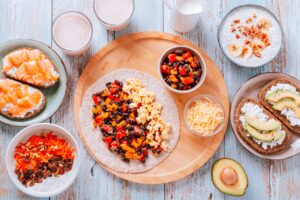
A high-protein breakfast has been shown to improve satiety and reduce calorie intake later in the day. Studies have found that people who consumed a protein-rich breakfast were less likely to experience hunger cravings and more likely to stay within calorie targets throughout the day. Breakfast options like eggs, Greek yoghurt, or a protein smoothie can make a significant difference in energy and appetite control.
Prioritise protein at every meal
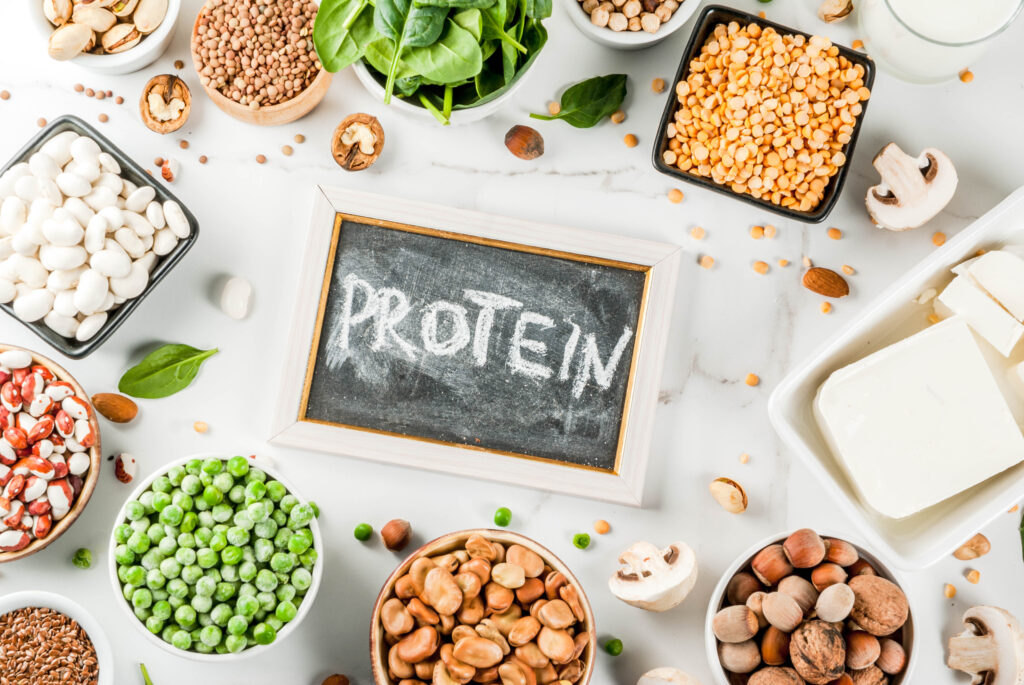
Including a quality protein source-such as chicken, fish, tofu, or legumes-at each meal ensures that protein needs are met consistently throughout the day. Making protein the centrepiece of meals can help sustain energy levels and keep cravings at bay, which is essential for weight management and metabolic health.
Batch-prep high-protein snacks
Preparing high-protein snacks ahead of time makes it easier to avoid processed options. Snacks like boiled eggs, cottage cheese, nuts, or homemade protein bars provide a satisfying dose of protein and make it easier to stay on track with weight goals.
Get creative with protein powder
Protein powder can go beyond shakes. Here’s how to use protein powder for weight loss and sustainable energy:
- Add to smoothies: Blending protein powder with fruits and greens creates a balanced snack or meal replacement.
- Mix into oatmeal: Stirring protein powder into oats boosts protein content and makes for a satisfying breakfast.
- Create protein-rich snacks: Protein powder can be used to make protein balls, pancakes, or muffins, offering a versatile way to meet daily protein goals.
Incorporating protein powder into everyday foods and snacks is a practical way to increase protein intake, particularly for those aiming to support metabolism and weight management.
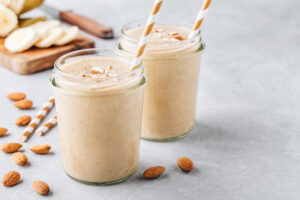
Tips for using protein powder to support weight management
For those using protein powder to support weight management, there are several ways to maximise its benefits:
- Meal replacement: A protein shake can serve as a convenient meal replacement, especially when blended with fruits, greens, and healthy fats for added nutrients.
- Post-workout recovery: After exercise, a protein shake can help muscles recover by replenishing protein stores. This is particularly important for preserving lean muscle while managing weight.
- Snack between meals: Protein shakes can also help bridge the gap between meals, reducing the urge to snack on less healthy options and supporting stable blood sugar levels.
Using protein powder strategically in this way can help increase protein intake, which supports a higher metabolic rate and assists with healthy weight management.
Frequently Asked Questions
How much protein do women over 40 need per day?
A good general target is 1 to 1.5 grams of protein per kilogram of body weight daily. For a 70kg woman, that is 70 to 105 grams per day. Women who are active, going through perimenopause, or following a calorie-restricted diet may benefit from the higher end of that range to prevent muscle loss.
Why do women lose muscle after 40?
From around age 35, muscle mass naturally declines at a rate of approximately 3 to 5 percent per decade, a process called sarcopenia. Declining oestrogen accelerates this in perimenopause. Less muscle means a slower resting metabolism, which is one reason weight management becomes harder with age. Adequate protein combined with resistance training is the most effective way to slow muscle loss.
What are the best protein sources for women in midlife?
The most effective protein sources are those that provide a complete amino acid profile. These include eggs, chicken, fish, Greek yoghurt, cottage cheese, legumes and tofu. For convenience, a quality whey protein isolate or plant-based protein powder can help you reach daily targets when whole food sources are not enough.
Is protein powder safe for women over 40?
Yes, for most women, a quality protein powder is a safe and effective way to meet daily protein needs. Look for products with minimal added ingredients, no artificial sweeteners, and a complete amino acid profile. Whey protein isolate, collagen peptides and pea protein are all well-tolerated options.
Can eating more protein help with weight loss after 40?
Yes, in several ways. Protein has a high thermic effect, meaning your body burns more calories digesting it compared to carbohydrates or fat. It also promotes satiety, reducing overall calorie intake naturally. And by preserving lean muscle mass, it keeps your resting metabolic rate higher, making weight management more sustainable.
When is the best time to eat protein?
Spreading protein evenly across three meals is more effective than concentrating it in one. Aim for 20 to 30 grams per meal. Including protein at breakfast is particularly important, research shows a high-protein breakfast reduces cravings and calorie intake later in the day.
The bottom line
For women over 40, protein is a foundational element of health that supports metabolic health, longevity, and sustainable weight management. A focus on high-quality protein sources, such as lean meats, eggs, and protein powders, is key to maintaining muscle mass and energy levels as we age.
With options like whey, collagen, and plant-based proteins, there’s a protein powder to fit a variety of health needs. Incorporating protein strategically-whether by choosing high-protein meals or using protein powder as a meal supplement-can make it easier to manage weight, enhance metabolism, and maintain energy.
Ultimately, a protein-focused approach offers a sustainable, effective path to health and wellness that supports both body composition and overall vitality.