Perimenopause and Mental Health: Why Your Mood, Memory and Mind Change


Medical Disclaimer: This article is for general informational purposes only and does not constitute medical advice. Always consult a qualified healthcare professional about your individual circumstances before making changes to your health management.
Quick Answer
Perimenopause mood changes can affect how you respond to everyday demands, with hormonal fluctuations and disrupted sleep among the possible contributors. Understanding these changes can help you choose practical support, from making meals easier to giving yourself more room to recover. Persistent low mood, worsening anxiety or troubling memory changes deserve professional attention alongside those everyday steps.
You might find yourself close to tears over something you would previously have brushed off. Perhaps your patience disappears by lunchtime, or you lose the thread of a conversation and spend the rest of the day worrying about it. When those experiences become familiar, they can shake your confidence.
Perimenopause can change how you feel and think, sometimes before you connect those changes with your menstrual cycle. The experience can be especially confusing when the responsibilities around you have stayed much the same, but your capacity to manage them feels different.
Understanding the possible contributors gives you a useful starting point. This article explains why your mood and concentration may feel different, practical ways to support yourself, and when to get additional help.
Why perimenopause can affect your mental health
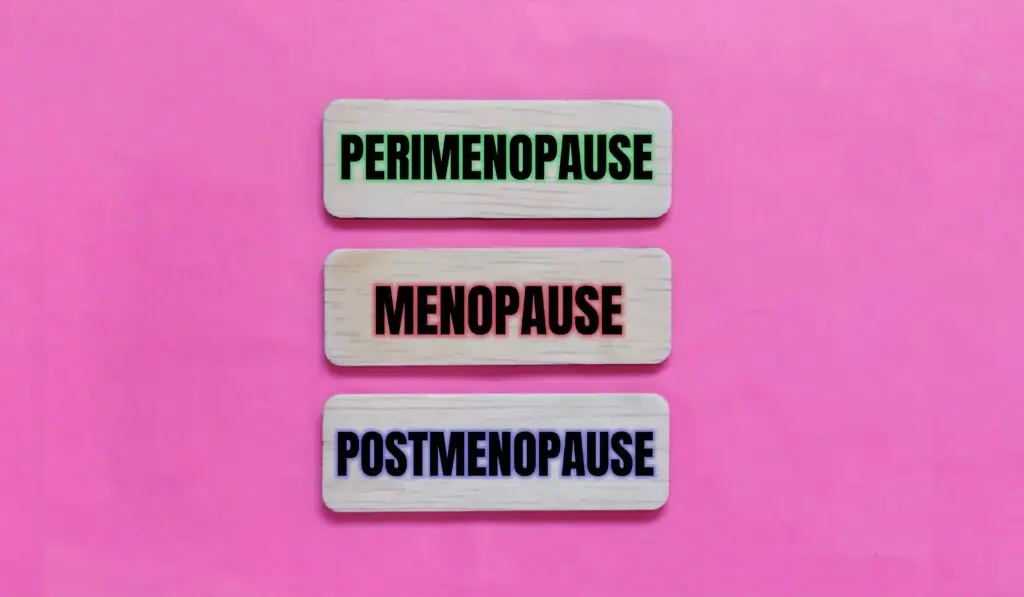
Perimenopause is the transition leading up to menopause, when ovarian hormone patterns become less predictable. Menopause itself is reached after 12 months without a period, when there is no other explanation for the absence of bleeding. Our guide to perimenopause, menopause and postmenopause stages explains how these stages differ.
During perimenopause, estrogen does not simply fall steadily. Levels fluctuate, and less consistent ovulation changes progesterone production too. These changes occur alongside whatever else is happening in your life, including existing health conditions or disrupted sleep.
Your brain responds to changing hormonal signals
Estrogen acts in areas of the brain involved in memory and emotional regulation. It also influences neurotransmitters, the chemical messengers that help brain cells communicate. This helps explain why changes in reproductive hormones can be felt well beyond your menstrual cycle.
Progesterone also interacts with the nervous system through a breakdown product called allopregnanolone. This influences GABA, a chemical messenger involved in calming brain activity. Hormonal sensitivity varies, so the same stage of perimenopause can feel very different from one woman to another.
These mechanisms help explain why mood symptoms and anxiety may emerge or worsen during the transition. They do not establish that every emotional change is hormonal, or that everyone will develop a mental health condition.1
Poor sleep can make everything harder
Night sweats may wake you repeatedly, or you may find yourself awake in the early hours with your mind racing. By morning, even a familiar task can feel more demanding than it did after a restful night.
Sleep disruption can affect concentration and make emotional responses harder to manage. Anxiety can also make sleep more difficult, leaving the two problems reinforcing each other. When talking to your GP about mood, include what is happening overnight rather than treating sleep as a separate concern. If exhaustion is also a problem, our guide to perimenopause fatigue explores other possible contributors to discuss with your GP.
Life circumstances still matter
Hormonal changes may arrive while you are supporting children or caring for ageing parents. Relationship strain, bereavement and financial pressure can also affect how you feel, regardless of your hormone levels.
Those experiences deserve attention in their own right. An assessment that considers both your physical health and what is happening around you is more useful than assuming a single explanation.
What perimenopause mood changes can look like
Mood changes can be noticeable without fitting neatly into a diagnosis. You may recognise several of the following experiences, or find that one dominates:
-
A shorter fuse: Interruptions or everyday frustrations prompt a stronger reaction than you expect.
-
Tearfulness: You cry more readily or feel unusually sensitive to criticism.
-
Anxiety: Familiar situations bring worry or a sense of unease that is hard to settle.
-
Low mood: You feel flat or find less enjoyment in things that usually matter to you.
-
Overwhelm: Decisions feel more effortful, and a manageable to-do list suddenly seems impossible.
-
Reduced confidence: You begin doubting your judgement because your reactions feel unfamiliar.
Some women notice symptoms that fluctuate through the month. Others describe a more persistent change, particularly when sleep has been poor for a long time. A pattern can provide clues, but it cannot confirm the cause by itself.
It is worth paying attention to how these changes affect your behaviour. Are you avoiding work meetings, withdrawing from friends or feeling unable to cope with ordinary responsibilities? The effect on your daily life matters even when symptoms come and go.
You can recognise a change without judging yourself for it. “I have been unusually irritable for six weeks, and it is affecting my relationship” gives you and your GP something concrete to discuss.
Why anxiety and brain fog can feel unsettling
Anxiety and difficulty concentrating can affect your confidence, particularly when they make familiar situations feel harder. It helps to notice what has changed rather than treating every difficult day as evidence that you are losing your ability to cope.
Feeling more on edge
You may begin worrying about situations you previously handled comfortably. Some women describe feeling constantly on edge or finding it difficult to switch off, even when there is no immediate problem to solve.
Notice whether this is more obvious after poor sleep or towards the end of an overloaded day. That can give you a practical starting point, while persistent or worsening anxiety deserves additional support.
Finding words or keeping your train of thought
Brain fog is an everyday description for difficulty thinking clearly. You might struggle to find a familiar word, reread the same paragraph or find it harder to keep track of several tasks.
Poor sleep and worry can add to the difficulty. Be specific about what you notice, and give yourself permission to use practical supports such as reminders or written instructions.
Progressive memory changes or difficulty managing familiar tasks should not be dismissed as perimenopause. Ask your healthcare professional for an assessment if those changes are occurring.
Other factors that may be contributing
Hormonal changes happen alongside the rest of your life and health. Poor sleep or ongoing stress may be part of the picture, and other medical conditions can overlap with symptoms commonly associated with perimenopause.
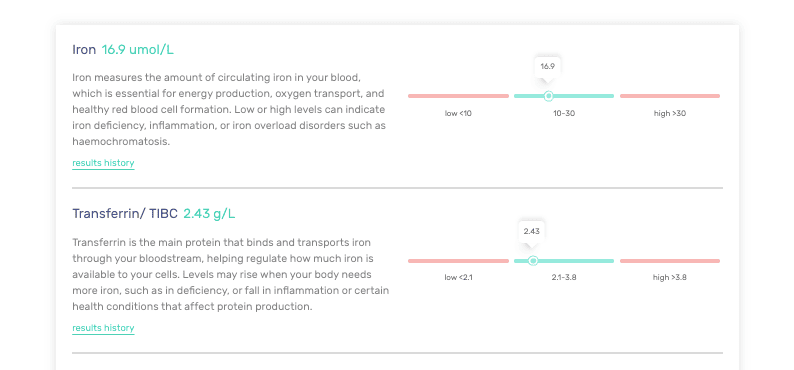
Thyroid problems or nutrient deficiencies may be worth considering with your GP, depending on your symptoms and history. If heavy bleeding and exhaustion are also present, read more about low iron during perimenopause.
You do not need a broad set of blood tests simply because your mood has changed. Your clinician can explain which investigations are relevant, while relationship difficulties or caring responsibilities may call for a different kind of support.
Practical ways to support your mood and concentration
You do not need a complete lifestyle overhaul to begin supporting yourself. Choose a manageable change that addresses a difficulty you are actually experiencing, and build from there. These steps can support everyday wellbeing; they are not a substitute for care when symptoms are persistent or severe.
Give sleep a place in your day
If your nights are unpredictable, start with something you can influence. A consistent waking time and a little time outside in morning daylight are practical places to begin.
Leave a gap between finishing work and trying to sleep. That might mean closing the laptop before dinner or writing down tomorrow’s tasks so you do not keep rehearsing them in bed.
If night sweats or repeated waking continue, discuss them with your GP. A bedtime routine may not address the reason you are waking.
Make meals easier to manage
When you are tired or distracted, meals can become another decision you would rather postpone. Choose a simple breakfast or lunch you can repeat, rather than expecting yourself to prepare something different every day.
Eggs on toast or yoghurt with oats can be straightforward breakfast options. Leftovers can make lunch easier, especially on days when you tend to keep working instead of stopping to eat.
The aim is to make adequate food part of your routine. Avoid adding restrictive rules in an effort to fix every mood change.
Choose movement that fits your energy
A short walk or a familiar activity may be a more realistic starting point than an ambitious new exercise routine. Choose something you enjoy and can return to without reorganising the whole day.
Walking with a friend can give you time together as well as time outdoors. If you already exercise regularly, consider whether the routine still feels manageable alongside interrupted sleep; every session does not need to be demanding.
Reduce avoidable memory demands
Keep one place for reminders, rather than relying on several lists or trying to remember everything. Write down appointments when you make them and ask for important instructions in writing.
Give yourself one task at a time when concentration is difficult. Closing extra browser tabs or silencing non-essential notifications may make it easier to finish what you started.
Using these supports is a practical way to manage the day. If memory changes are becoming more noticeable or interfering with familiar tasks, seek assessment as well.
Make room to recover
Notice where you move straight from one responsibility to the next. A brief pause between finishing work and starting dinner may be easier to protect than waiting for a completely free evening.
Choose something you find settling, such as a quiet walk or reading for a few minutes. Keeping a short list of these activities can help when you feel too overwhelmed to decide what would be useful.
Ask for specific help
Explain what would ease a recurring demand. Asking someone to take responsibility for dinner on particular evenings is clearer than hoping they will notice you need less to do.
Include the planning involved, where possible. Sharing a responsibility is more useful when you do not still have to organise every part of it.
You may also want someone to understand how you have been feeling. A trusted friend or partner does not need to solve the problem to make space for that conversation.
When to get additional support
Book a GP appointment when changes are persistent, worrying or affecting your work or relationships. You can seek support while you are still having periods and while you try practical changes at home.
Persistent low mood or loss of interest in things you usually enjoy deserves assessment, particularly when it is present most days for around two weeks. Seek help sooner if symptoms are severe or worsening. You do not have to decide whether the cause is hormonal before making an appointment.
A few notes about what has changed can help. Include when symptoms began and what is happening with your sleep, along with any relevant medical history or medicine changes.
Your clinician can discuss appropriate support, which may include psychological therapy or medication, alongside care for menopausal symptoms. Hormone therapy may be worth discussing in your circumstances, but it should not be assumed to resolve every mood or memory concern. Do not change prescribed medicines without your prescriber’s advice.
Seek urgent medical help for new chest pain, fainting or significant breathing difficulty, or for sudden confusion or a sudden change in speech. Do not automatically attribute these symptoms to anxiety or perimenopause.
If you are thinking about suicide or self-harm, seek urgent support. In a medical emergency, or if you are in immediate danger or cannot keep yourself safe, call your local emergency number or go to the nearest emergency department.
Frequently Asked Questions
Can perimenopause make me feel unlike myself?
Yes. Changes in mood or concentration can make familiar situations feel unusually difficult. Explain what “unlike myself” means for you, including when it began and how it affects daily life, so your GP can assess possible contributors.
Can perimenopause cause anxiety if I have never had it before?
Anxiety symptoms can emerge during perimenopause, including in women who have not previously struggled with them. Hormonal changes may contribute, but new anxiety still deserves assessment rather than an automatic assumption that it is menopausal.
What can I do when I feel more irritable during perimenopause?
Notice whether irritability is more obvious after poor sleep or towards the end of an overloaded day. A brief pause and a specific request for help may make the immediate situation easier. If the change persists or is affecting your relationships, discuss it with your healthcare professional.
What can help when I keep losing my train of thought?
Try keeping one place for reminders and working on one task at a time. Written instructions can also reduce what you need to hold in your head. If memory changes are worsening or interfering with familiar tasks, seek medical assessment rather than assuming they are due to perimenopause.
Will HRT fix my mood and memory?
HRT may help some women with mood symptoms during perimenopause, but it is not a guaranteed solution. 2 Discuss persistent symptoms with your clinician, including other possible contributors. Do not assume that HRT will resolve memory concerns without assessment.
Should I wait until my periods stop before asking for help?
No. You can seek care while you are still having periods, including when changes are intermittent. The effect on your wellbeing and daily life is a good reason to start the conversation now.
The bottom line
Perimenopause can change how you feel and think, with disrupted sleep and everyday demands adding to the difficulty. Understanding what has changed can help you choose practical support that fits your life. Persistent low mood, worsening anxiety or troubling memory changes deserve professional attention alongside those daily steps. Start with one manageable action, whether that is making time for a walk or booking an appointment.
Citations
1 Garg R, Munshi A. Menopause and Mental Health. J Midlife Health. 2025;16(2):119-123. PMID: 40636836. View on PubMed
2Bromberger JT, Epperson CN. Depression During and After the Perimenopause: Impact of Hormones, Genetics, and Environmental Determinants of Disease. Obstet Gynecol Clin North Am. 2018;45(4):663-678. PMID: 30401549. View on PubMed