Blood Tests for Fatigue in Women Over 40: What to Discuss With Your GP

Medical Disclaimer: This article is for general informational purposes only and does not constitute medical advice. Always consult a qualified healthcare professional about your individual circumstances before making changes to your health management.
Quick Answer
Blood tests for fatigue can help investigate low iron stores, thyroid problems and other possible contributors to exhaustion. The most useful results are interpreted alongside your symptoms and medical history, with related markers considered together. Ask your GP which tests could help explain your fatigue, what the results mean for you and what to do if you still feel unwell.
By the time you book an appointment about fatigue, you may already have tried going to bed earlier or changing what you eat. Perhaps you have cut back on exercise because it leaves you drained, or started taking supplements without being sure whether you need them.
In midlife, several things can affect energy at once. Heavier periods may be reducing your iron stores while disrupted sleep leaves you struggling to recover. A thyroid condition may produce symptoms that overlap with perimenopause, making it difficult to work out which changes belong to which problem.
Blood testing can help bring some direction to that picture. Its value comes from connecting the results with what has changed in your body and deciding what deserves attention next.
Why fatigue can have more than one explanation
Two women can describe the same exhaustion and need quite different help. One may have iron deficiency; another may be sleeping poorly because of night sweats. For some women, both are happening.
Your body needs adequate nutrients to produce energy, and your thyroid helps regulate how that energy is used. Sleep provides an opportunity for recovery. When several of these processes are affected, addressing one contributor may improve how you feel without fully resolving the fatigue.
This helps explain why you might notice an improvement in hot flushes after starting menopause hormone therapy but still feel exhausted. It is worth discussing what has improved and what has stayed the same, rather than assuming the remaining fatigue must also be hormonal.
A useful starting question is: “Which possible causes fit my symptoms, and what would help us distinguish between them?” Your GP can use your history and examination to decide which investigations are likely to be useful.
For a broader explanation of what can affect your energy, read our guide to perimenopause fatigue
Iron: look at your stores as well as your blood count
Iron is involved in carrying oxygen and in the processes your cells use to produce energy. Low iron can therefore affect how you feel before it produces the blood-count changes associated with anaemia.
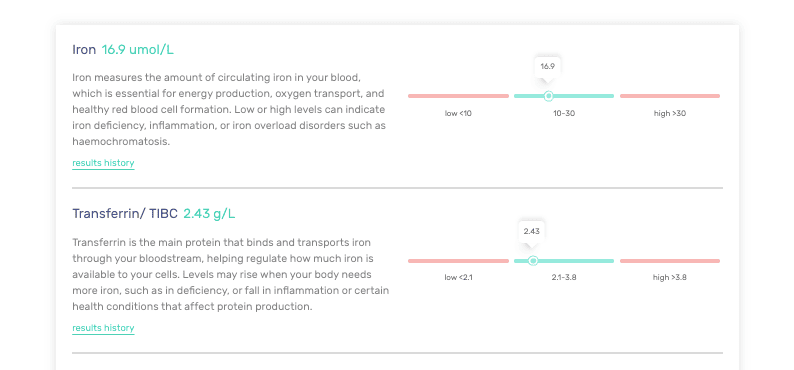
Haemoglobin is the oxygen-carrying protein in red blood cells, while ferritin helps assess stored iron. Iron deficiency can affect how your body functions even without anaemia, so a normal haemoglobin result does not rule out an iron problem.1
For women whose periods have become heavier or more frequent, ongoing blood loss deserves particular attention. Changes in food intake can also matter, especially if you have reduced iron-rich foods without replacing them.
Ask your GP: “Have we checked my iron stores as well as whether I am anaemic?” If your iron is low, the next question is why it has become depleted.
Read more about low iron and perimenopause.
Why ferritin sometimes needs a closer look
Ferritin can rise with inflammation, making iron status harder to interpret from that result alone. Your GP may consider it alongside transferrin saturation, which helps assess iron availability, and the rest of your blood results.
This is an example of why related markers need to be considered together. A result that looks reassuring in isolation may need a different interpretation when there is another condition affecting it.
If iron deficiency is confirmed, treatment should include investigating and managing the cause, rather than simply replacing iron indefinitely. Discuss supplementation with your GP instead of starting iron solely because you feel tired.
Thyroid function: a possible overlap with perimenopause
Thyroid disease and menopause can coexist, and their overlapping symptoms can make diagnosis more difficult.2
Describe the changes you have noticed together, including fatigue accompanied by feeling unusually cold or changes in bowel habits.
TSH, or thyroid-stimulating hormone, reflects the signal telling your thyroid to produce thyroid hormone. It is one of the tests used when investigating a possible thyroid contribution to fatigue.
You may also hear about free T4, a circulating thyroid hormone, or thyroid antibodies, which can help investigate an autoimmune thyroid condition. Your GP can explain whether additional markers would be useful given your symptoms and the initial results.
The important conversation is about whether the testing has answered the clinical question. Ask: “Do these results adequately assess the thyroid problems you are considering, or is there a reason to investigate further?”
A normal result should not automatically be treated as evidence of hidden thyroid disease. Equally, if you remain unwell, you should leave with a plan for what to consider next.
Our guide to menopause and thyroid symptoms explores this overlap in more detail.
B12 and other nutrients: consider what you eat and absorb
Vitamin B12 supports healthy nerves and red blood cell production. Fatigue that comes with tingling or numbness deserves a proper assessment, rather than being assumed to be part of getting older.
Tell your GP if you eat few animal foods or have a condition that affects nutrient absorption. It is also useful to mention medicines such as metformin or long-term acid-suppressing treatment, which can be relevant to B12 status.
A B12 result sometimes needs further interpretation when the symptoms and the initial number do not give a clear answer. Your GP can decide whether another test would add useful information.
Vitamin D may also come up in the conversation, particularly when there are concerns about bone health or muscle weakness. Other nutrient tests should reflect your diet and medical circumstances, rather than the assumption that every tired woman is deficient in the same things.
Ask: “Is there anything in my diet, medicines or health history that makes a nutrient deficiency more likely?” This gives your GP a more useful starting point than a request to check every vitamin.
Blood sugar: consider the pattern behind changing energy
If your fatigue comes with changes in weight or appetite, describe those changes together. They may help your GP decide whether metabolic health needs attention.
HbA1c reflects average blood glucose over roughly three months, while a glucose test measures the level at the time of the sample. These can help assess whether blood glucose regulation needs further investigation.
Insulin has a different role: it helps move glucose from the blood into cells. When cells become less responsive to insulin, the body can compensate by producing more of it, so insulin resistance can develop before glucose levels rise.
This is why fasting insulin sometimes enters a more detailed metabolic discussion. Whether measuring it would change your care is something to ask your GP; fatigue or an afternoon energy dip alone does not establish insulin resistance.
The wider picture matters here. Changes in waist measurement and blood pressure, together with relevant blood results, may give your GP more useful context than focusing on a single number.
Ask: “Do my symptoms and risk factors suggest we should look more closely at blood sugar regulation?” If testing is recommended, ask what the result would change about your plan.
Inflammation: a possible contributor to persistent fatigue
Persistent fatigue can involve an ongoing inflammatory response. The immune system requires energy to stay active, and inflammation may also interfere with how efficiently your cells produce energy. This makes inflammation worth discussing with your GP when tiredness comes with aching joints or slower recovery.
Your GP may consider whether an inflammation marker, such as CRP, or C-reactive protein, would add useful information. High-sensitivity CRP, known as hs-CRP, measures smaller increases in the same protein and may be useful in assessing low-grade inflammation in an appropriate clinical context.
The result can also help put other findings into context. Inflammation can raise ferritin, making iron stores appear more reassuring than they really are. Looking at inflammation markers alongside the full iron studies can help your GP understand the broader pattern.
A recent infection can temporarily raise these markers, and an elevated result does not prove that inflammation is the cause of your fatigue. Ask: “Could inflammation be contributing to my fatigue, and would checking it help us understand my other results?”
What hormone blood tests can and cannot tell you
It is reasonable to wonder whether measuring your hormones will explain why your energy has changed. During perimenopause, however, hormone levels can fluctuate considerably, so one blood sample captures only a moment in that transition.
The STRAW+10 framework for identifying stages of reproductive ageing gives menstrual patterns the main role, with hormone measurements used as supporting information rather than required tests.3
A single result within the laboratory range does not, by itself, settle the question of whether you are experiencing perimenopause.
Hormone testing can still have a role in particular circumstances. If your periods are changing or stopping earlier than expected, ask your GP whether further assessment is appropriate.
Bring a record of your menstrual changes and describe any sleep disruption. That information helps keep the discussion connected to what you are experiencing rather than expecting one hormone result to explain all of it.
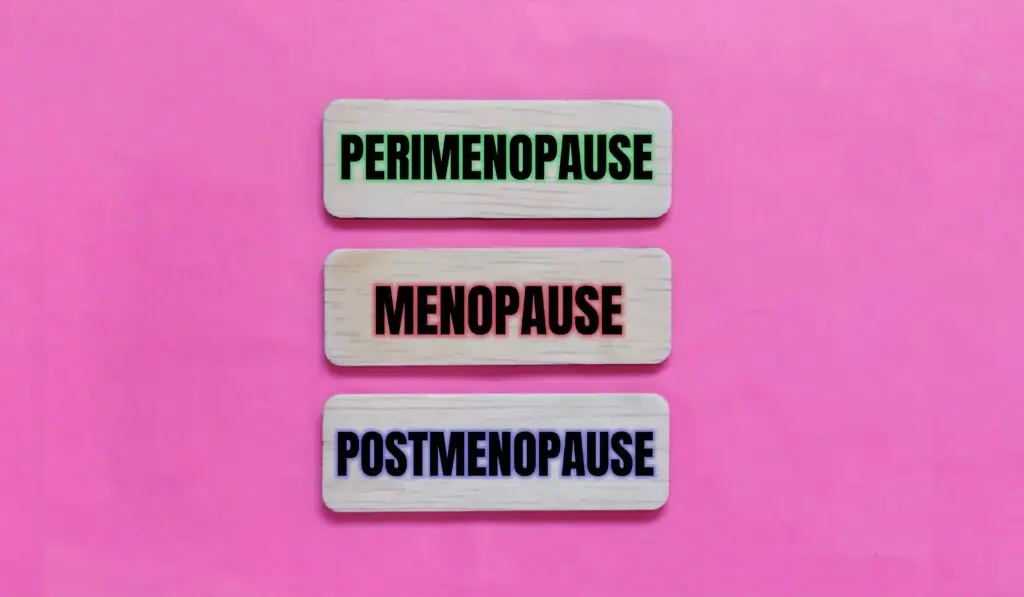
For an explanation of the different stages, see our guide to perimenopause, menopause and postmenopause.
What if your results are “normal” but you still feel unwell?
A laboratory reference range provides a framework for interpreting a test. It does not measure your overall energy or explain every possible reason for fatigue.
The next step is to understand what has actually been assessed. For example, a normal full blood count does not establish that your iron stores are adequate if ferritin has not been measured.
Ask your GP to explain how the results fit your symptoms and whether any relevant changes over time need attention. Persistent fatigue may also require assessment of sleep or medication effects, rather than more blood tests.
Avoid assuming that a result near one end of a reference range must be the problem. Treatment needs a clinical reason, and pursuing an arbitrary “optimal” number may not improve how you feel.
The goal is to leave with a working explanation or a clear plan to keep investigating. “What should we consider next?” is a reasonable question when the results have not explained a meaningful change in your health.
How to make the GP conversation more useful
Write a short symptom summary before your appointment. You do not need a detailed spreadsheet; a few specific observations can make it easier to explain what has changed.
-
Describe the impact: Give an example of something you could previously manage but now find difficult.
-
Include the timing: Note when fatigue began and whether it changes with your cycle or follows poor sleep.
-
Bring related symptoms: Mention heavier bleeding, digestive changes or other symptoms you might otherwise leave out.
-
List what you take: Include prescribed medicines and supplements, with doses where possible.
-
Bring previous results: Ask whether comparisons would be useful, especially if earlier testing was done elsewhere.
Then agree on what happens after testing. Ask when you will review the results and how you will assess whether the next step is helping.
If fatigue is changing what you can manage each day, make that the starting point of your GP appointment. Explain what has changed and ask which blood tests could help clarify the cause. Before you leave, agree on how you will review the results and what happens if your energy does not improve. Finding an explanation may take more than one visit, but each appointment should leave you clearer about the next step towards feeling better.
Frequently Asked Questions
What blood tests should I discuss with my GP for fatigue?
A full blood count and iron stores are useful topics to raise, along with whether thyroid testing fits your symptoms. Your GP may also consider blood glucose or selected nutrient tests based on your medical history. Ask which tests would help answer a specific question about your fatigue.
Can I have low iron without being anaemic?
Yes. Iron deficiency can affect you before haemoglobin falls enough to indicate anaemia. Ask whether ferritin has been checked and whether the rest of your iron studies are needed to interpret the result.
Can blood tests tell me whether perimenopause is causing my fatigue?
A single hormone result cannot establish why you feel exhausted. Hormone levels fluctuate during perimenopause, so changes in your periods and symptoms are important. Your GP can assess whether hormone testing would be useful and consider other contributors to fatigue.
Why am I still exhausted when my blood tests are normal?
Normal results do not explain every possible cause of fatigue. Ask what the tests have assessed and what should happen next. Sleep problems or medication effects may need attention, and persistent symptoms deserve follow-up rather than an assumption that nothing is wrong.
Can inflammation affect my iron test results?
Yes. Inflammation can raise ferritin, making it harder to assess iron stores from that number alone. Your GP may look at transferrin saturation and other results to understand whether iron availability is adequate.
Should I start taking supplements before my appointment?
Avoid starting iron solely because you feel tired. Bring a list of the medicines and supplements you already take, and discuss whether testing or supplementation is appropriate. If a deficiency is found, understanding its cause is part of the treatment plan.
The bottom line
Blood tests can help identify treatable contributors to fatigue, including low iron or thyroid problems. Which tests are useful depends on your symptoms and medical history, and the results need to be considered together. If you still feel exhausted despite reassuring results, arrange a follow-up with your GP to discuss what else might be affecting your energy.
Citations
1: Pasricha SR, Tye-Din J, Muckenthaler MU, Swinkels DW. Iron deficiency. The Lancet. 2021;397(10270):233–248. PMID: 33285139. View on PubMed
2: Mintziori G, Veneti S, Poppe K, et al. EMAS position statement: Thyroid disease and menopause. Maturitas. 2024;185:107991. PMID: 38658290. View on PubMed
3: Harlow SD, Gass M, Hall JE, et al; STRAW+10 Collaborative Group. Executive summary of the Stages of Reproductive Aging Workshop + 10: addressing the unfinished agenda of staging reproductive aging. Journal of Clinical Endocrinology and Metabolism. 2012;97(4):1159–1168. PMID: 22344196. View on PubMed