Low Iron and Perimenopause: Could This Be Why You Feel So Tired?

Medical Disclaimer: This article is for general informational purposes only and does not constitute medical advice. Always consult a qualified healthcare professional about your individual circumstances before making changes to your health management.
Quick Answer
Iron deficiency is one of the most common, and most overlooked, reasons PMS and perimenopause symptoms feel worse than they should. Low iron reduces oxygen delivery to your tissues, disrupts serotonin and dopamine production, and amplifies fatigue, brain fog, mood swings and cramps. Heavy periods during perimenopause create a cycle of ongoing depletion. Ask your GP whether a full blood count and ferritin test would help assess your symptoms.
If your energy disappears before your period, or perimenopause has left you foggy, exhausted and running on empty, low iron is worth investigating. It is one of the most common nutrient deficiencies in women, yet routinely missed, especially when monthly symptoms get dismissed as normal. What most women do not realise is that iron does not just affect energy. It shapes how your hormones behave, how you process pain, and how well your brain functions under pressure.
Low iron is one possible contributor to tiredness in midlife. For a broader look at what else may be affecting your energy, read our guide to perimenopause fatigue.
Why Iron Matters More Than You Think
Iron is essential for transporting oxygen around the body, producing energy, supporting cognitive function and regulating mood. Your body uses it to make haemoglobin, the protein in red blood cells that carries oxygen to your tissues. Without enough of it, everything slows down, including your brain, your muscles and even your ability to handle stress.
Women are particularly at risk of iron deficiency, especially during their reproductive years. Monthly blood loss, increased iron demands during pregnancy and restrictive diets all contribute. According to the World Health Organisation, iron deficiency affects over 30 percent of women worldwide. As you move into perimenopause, heavy periods can make the problem even worse, creating a cycle of depletion that’s hard to break.

How Low Iron Makes PMS Worse
PMS is tough enough on its own, but iron deficiency can take it to another level. If you’ve ever felt completely drained before your period, it might not just be hormones, it could be low iron.
Fatigue is one of the earliest and most noticeable signs of iron deficiency. When haemoglobin levels drop, less oxygen reaches your tissues and organs, leaving you feeling sluggish and worn out. One study found that even mild iron deficiency impairs physical performance and endurance, even before anaemia sets in.
Mood swings and irritability are also linked to low iron. Iron is involved in the production of neurotransmitters like serotonin and dopamine, which regulate mood. Low levels can throw your emotional balance off, making you feel more reactive and less resilient.
Some research also suggests that iron deficiency can increase pain sensitivity. This could be why menstrual cramps or breast tenderness feel more intense when iron is low. The body may process discomfort differently when it’s already under strain.

Low Iron and Perimenopause: The Depletion Cycle
During perimenopause, hormonal fluctuations often lead to heavier periods, which can both cause and worsen iron deficiency. It becomes a frustrating cycle, the more blood you lose, the more iron you lose, which then amplifies fatigue, brain fog and mood swings.
Heavy bleeding, or menorrhagia, is a key driver of iron depletion during this stage of life. One review highlighted that women with heavy menstrual bleeding are significantly more likely to develop iron deficiency anaemia.
Cognitive changes, including forgetfulness and brain fog, are also common complaints during perimenopause, and low iron could be a factor. Iron is essential for maintaining focus, memory and overall brain health. Low levels can impair cognition, making it harder to stay sharp.
Sleep disturbances are another piece of the puzzle. Iron deficiency has been linked to restless legs syndrome and disrupted sleep patterns. Poor sleep only worsens fatigue and emotional volatility, creating a feedback loop that can be difficult to escape.
Signs You Could Be Iron Deficient
The signs of low iron can be subtle or easy to dismiss. If you notice pale skin, shortness of breath during simple activities, dizziness, brittle nails or hair loss, your iron levels could be low, especially if iron levels don’t respond to dietary changes. Persistent fatigue that doesn’t improve with rest is one of the most telling symptoms.
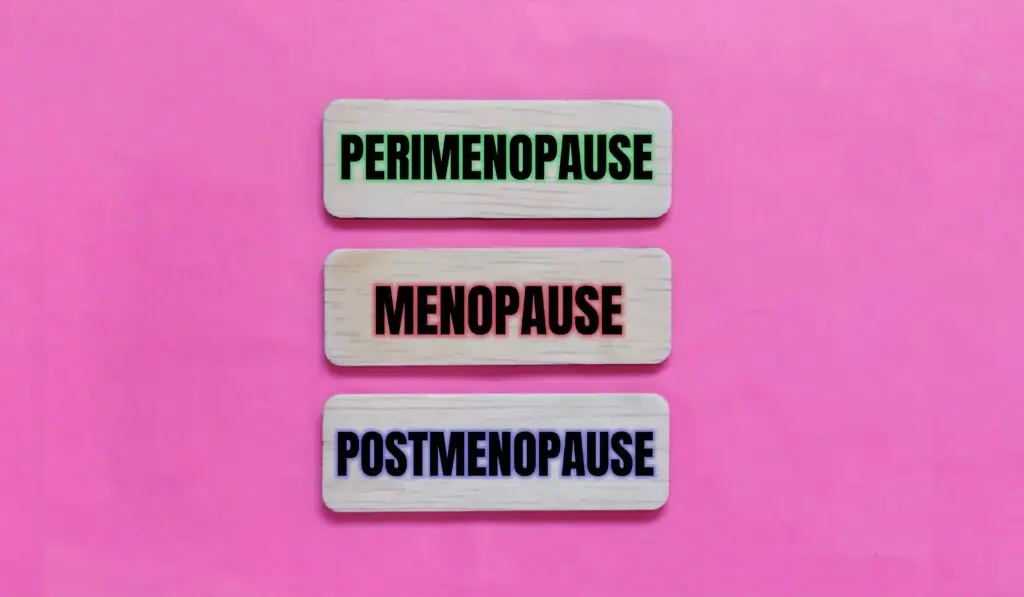
If you are unsure where you are in the menopause transition, understanding the stages of perimenopause and menopause can help clarify what your body is going through.
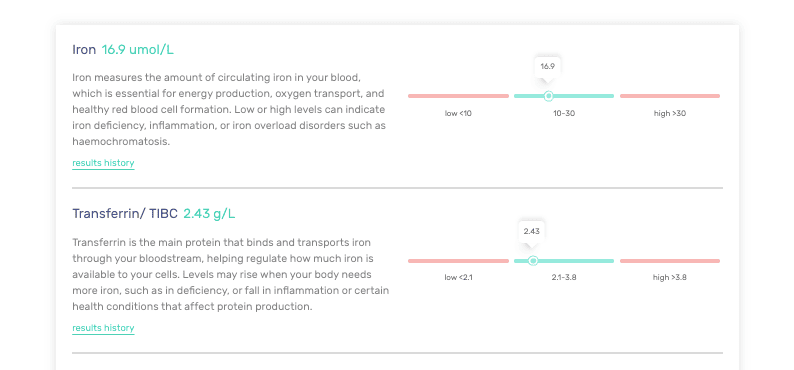
To get an accurate diagnosis, blood tests are essential. A complete blood count (CBC) can reveal if your haemoglobin is low, while serum ferritin tests measure your stored iron levels. Ferritin needs to be interpreted alongside your symptoms and other blood results. Inflammation can raise ferritin, so your GP may also consider transferrin saturation when assessing your iron status.
How to Rebuild Your Iron Levels
Dietary Interventions
Food first is always a good philosophy. Lean red meat, chicken liver, lentils, spinach and fortified cereals are all excellent sources of iron. But how you eat your iron matters too. Vitamin C-rich foods like citrus fruits, capsicum or strawberries can boost absorption when eaten with iron-rich meals.
On the other hand, calcium-rich foods, tea and coffee can interfere with iron uptake. Try to space these out from your main iron-rich meals to get the most benefit.
Supplementation
If food isn’t enough, iron supplements can help, but they need to be used carefully. Constipation and stomach upset are common side effects, and it’s important to monitor your levels with your doctor. Newer formulations and even transdermal patches are being explored for people who can’t tolerate traditional supplements. One study noted that liposomal and heme iron supplements may be better tolerated and more effective for some individuals.
Lifestyle modification
Lifestyle habits also play a role in managing symptoms. Moderate exercise can improve energy levels and mood, even when iron is low. It also helps balance hormones and supports better sleep. Mind-body practices like yoga, meditation or even a daily walk can reduce stress, which often makes PMS and perimenopausal symptoms feel worse.

When to Get Tested
If your symptoms persist despite improving your diet and lifestyle, it’s time to speak with a healthcare provider. Heavy periods, digestive conditions like coeliac or inflammatory bowel disease, or even chronic inflammation can all impair iron absorption and increase your risk of deficiency.
Your doctor may recommend further testing to rule out underlying causes, especially if iron levels don’t respond to dietary changes or supplements. Addressing the root cause is crucial for lasting improvements in both energy and hormonal health.
Frequently Asked Questions
Can low iron make PMS worse?
Yes. Iron plays a direct role in serotonin and dopamine production, the neurotransmitters that regulate mood. Low iron reduces the availability of these brain chemicals, which can amplify PMS symptoms including irritability, low mood, anxiety and fatigue in the days before your period. Women with low ferritin often report that their emotional PMS symptoms are disproportionately severe.
What is the difference between iron deficiency and iron deficiency anaemia?
Iron deficiency means your body’s iron stores are low, measured by ferritin levels in the blood. Iron deficiency anaemia is a more advanced stage where iron is so depleted that red blood cell production is affected, causing a drop in haemoglobin. You can experience significant symptoms including fatigue, brain fog and poor exercise tolerance from iron deficiency well before anaemia develops. This is why ferritin is the more useful test to request from your GP.
What ferritin level should I aim for?
Standard laboratory reference ranges often show ferritin as “normal” anywhere above 15 to 20 ng/mL. However, many women feel significant fatigue and hormonal symptoms at levels below 50 ng/mL. Optimal ferritin for energy, mood and hormonal health is generally considered to be between 50 and 100 ng/mL. If your result is in the “normal” range but you are still symptomatic, ask your GP to discuss optimal rather than just adequate levels.
Why do heavy periods cause iron deficiency?
Each menstrual cycle depletes iron through blood loss. In perimenopause, periods often become heavier and more irregular, increasing monthly iron losses significantly. If dietary iron intake does not keep pace with these losses, which is common particularly for women who eat little red meat, iron stores gradually deplete. This creates a cycle of ongoing deficiency that worsens with each heavy period.
Can I fix iron deficiency through diet alone?
For mild deficiency, dietary changes can make a meaningful difference. The most bioavailable form of iron is haem iron, found in red meat, chicken and fish. Non-haem iron from plant sources like legumes, tofu, spinach and fortified cereals is less well absorbed but can be significantly improved by eating it alongside vitamin C-rich foods. For moderate to severe deficiency, supplementation is usually needed. Speak to your GP about the right form and dose for you.
How long does it take to restore iron levels?
With consistent dietary changes and supplementation, ferritin levels typically begin to improve within four to eight weeks, but full restoration of iron stores can take three to six months depending on how depleted they are. Energy and mood improvements are often noticeable before ferritin reaches optimal levels. Regular retesting every three months is recommended to track progress.
The bottom line
Iron deficiency does not just drain your energy, it amplifies every hormonal shift your body is already navigating. The good news is it is one of the most manageable deficiencies once you know to look for it. Ask your GP for a ferritin test, not just a standard iron panel. Small changes to diet and, where needed, targeted supplementation can make a meaningful difference to how you feel through PMS and perimenopause.