Why Sugar Makes You Tired: Blood Sugar and Fatigue in Midlife Women


Medical Disclaimer: This article is for general informational purposes only and does not constitute medical advice. Always consult a qualified healthcare professional about your individual circumstances before making changes to your health management.
Quick Answer
Sugar and refined carbs spike your blood glucose, then insulin drops it just as fast, leaving you exhausted, foggy and craving more. For women in menopause and perimenopause, this gets worse as oestrogen declines and insulin sensitivity drops, which is why fatigue after meals often shows up in your 40s. The fix: pair carbs with protein, healthy fats and fibre at every meal, walk after eating, and cut back on processed foods and sugary snacks.
Why blood sugar matters for energy
If you’re a woman in your 40s or 50s feeling wiped out after meals, waking up tired despite a full night’s sleep, or reaching for sugar just to get through the day, your blood sugar is probably swinging out of balance. It gets harder to manage in perimenopause, and it’s one of the most fixable causes of midlife fatigue. Blood sugar (glucose) is your body’s main energy source. When it’s steady, you feel focused and energised. When it spikes and crashes, which happens more easily as oestrogen declines and insulin sensitivity drops in midlife, you feel foggy, irritable, and wiped out.
How blood sugar fluctuations cause fatigue
When you eat a meal high in refined carbohydrates or sugar, blood glucose surges. Your body releases insulin to shuttle that glucose into your cells. But when insulin overshoots, blood sugar drops just as fast as it rose, leaving you exhausted and craving another quick fix. This “blood sugar rollercoaster” is why so many women find themselves dependent on caffeine and sugar to get through the day. Food choices drive this cycle. Processed foods, white bread, pastries and sugary drinks deliver a fast lift and an inevitable crash. Research found that individuals consuming high-glycaemic foods reported greater fatigue and reduced cognitive function compared to those who chose lower-glycaemic options.
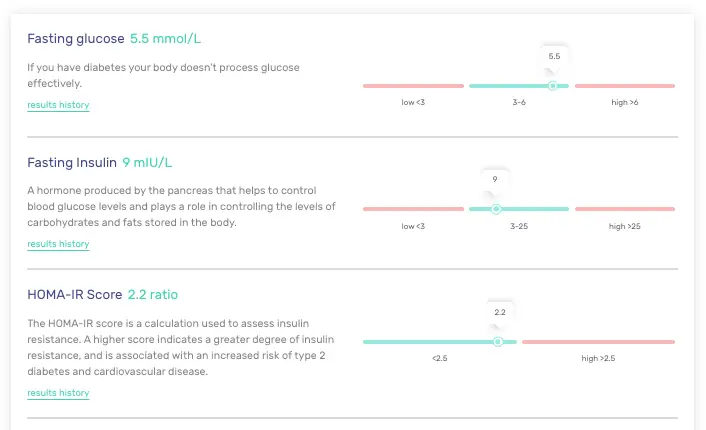
Insulin resistance is the deeper problem. When cells stop responding properly to insulin, often after years of blood sugar spikes and made worse by the hormonal shifts of perimenopause, glucose stays in the bloodstream instead of fuelling your cells. One study links insulin resistance directly to chronic fatigue and metabolic dysfunction, which is why stabilising blood sugar is one of the highest-leverage moves you can make for midlife energy.

Signs that blood sugar imbalances are draining your energy
If you regularly feel exhausted despite proper rest, experience brain fog, or crave sugar throughout the day, your blood sugar may be out of balance. Energy crashes, particularly after meals, can be a red flag. Many people also notice irritability, dizziness when meals are delayed, or frequent headaches. One study revealed that individuals experiencing fluctuations in blood sugar reported more fatigue and lower levels of alertness compared to those with stable glucose levels.
Are you insulin resistant?
Insulin resistance often develops gradually, making it easy to overlook. If you experience frequent fatigue, constant cravings for sugar and carbohydrates, difficulty losing weight, or notice increased abdominal fat, it could indicate an issue with blood sugar regulation. Other signs include feeling shaky or lightheaded between meals, brain fog, and in some cases, symptoms related to polycystic ovary syndrome (PCOS) such as acne or irregular menstrual cycles. Research suggests that individuals displaying three or more of these symptoms have a higher risk of developing insulin resistance and metabolic syndrome.

How to regulate blood sugar for steady energy
Stabilising blood sugar isn’t about extreme dieting—it’s about making smarter food choices and incorporating lifestyle habits that naturally support balanced energy levels. Prioritising protein and healthy fats can slow down the absorption of glucose, preventing sudden spikes and crashes. One study found that increasing protein intake helps regulate post-meal blood sugar levels. Including sources like eggs, fish, lean meats, nuts, seeds, and avocado in your diet can make a noticeable difference in how you feel.
Fibre is another essential factor in stabilising blood sugar. Research shows that individuals who consume a fibre-rich diet experience fewer blood sugar fluctuations and improved insulin sensitivity. Adding more vegetables, legumes, whole grains, and seeds like chia or flax into your meals can help keep energy levels steady.
Meal composition also plays a key role. Instead of eating carbohydrates on their own, pairing them with protein, healthy fats, and fibre can significantly reduce blood sugar spikes. Studies suggest that balanced meals support glucose metabolism and minimise energy crashes. Swapping a plain slice of toast for wholegrain toast topped with nut butter and chia seeds can make a big difference in how long your energy lasts.

It’s also important to limit processed snacks and sugary foods, as they can lead to rapid blood sugar spikes followed by inevitable crashes. Research found that individuals consuming high-sugar diets reported more frequent fatigue and mood fluctuations. Opting for snacks that combine protein and healthy fats—such as fruit with nuts or Greek yoghurt—can help sustain energy more effectively.
Regular exercise is another powerful tool for maintaining balanced blood sugar levels. Movement improves insulin sensitivity, allowing cells to use glucose more efficiently. One study demonstrated that even moderate exercise significantly enhances glucose uptake and energy regulation. Strength training and post-meal walks have been particularly effective in improving blood sugar control.
Managing stress and prioritising sleep are equally critical. Chronic stress triggers the release of cortisol, a hormone that raises blood sugar levels. Getting seven to nine hours of quality sleep each night and incorporating relaxation techniques like meditation or yoga can help maintain steady blood sugar levels and prevent fatigue.
Frequently Asked Questions
Why does my energy crash after eating?
A post-meal energy crash is a sign your blood sugar spiked too quickly and then dropped. This usually happens when a meal is high in refined carbohydrates or sugar and low in protein, fat or fibre. Pairing carbohydrates with protein and healthy fats slows glucose absorption and prevents the spike-crash cycle.
What does a blood sugar crash feel like?
Common signs include sudden fatigue, difficulty concentrating, irritability, shakiness, headache, and intense cravings for sugar or carbohydrates. Many women also notice these symptoms worsen in perimenopause as oestrogen fluctuations make blood sugar regulation less stable.
Is blood sugar imbalance the same as diabetes?
Blood sugar imbalance and insulin resistance can exist on a spectrum well before a diabetes diagnosis. Many women experience significant energy, mood and weight symptoms from blood sugar dysregulation without meeting the clinical threshold for type 2 diabetes. It is worth discussing with your GP if symptoms are persistent.
Can perimenopause affect blood sugar?
Yes. Declining oestrogen reduces insulin sensitivity, making blood sugar harder to regulate during perimenopause and postmenopause. This is one reason energy crashes, cravings and weight gain around the midsection become more common during this stage of life.
What is the best breakfast for stable blood sugar?
A breakfast that combines protein, healthy fats and fibre is most effective — for example, eggs with vegetables, Greek yoghurt with nuts and berries, or wholegrain toast with nut butter and chia seeds. Avoid starting the day with cereal, toast alone, or fruit juice, which cause rapid blood sugar spikes.
How does exercise help with blood sugar?
Movement improves insulin sensitivity, meaning your cells become more responsive to insulin and use glucose more efficiently. Even a 10-minute walk after a meal can significantly reduce post-meal blood sugar spikes. Strength training is particularly effective for long-term blood sugar regulation.
The bottom line
Regaining steady energy starts with making small, sustainable changes to support stable blood sugar levels. Prioritising protein, healthy fats, and fibre at every meal can prevent those frustrating energy crashes. Cutting back on refined carbohydrates and processed sugars helps curb insulin spikes that leave you feeling drained. Staying active through regular exercise improves how your body processes glucose, while managing stress and ensuring adequate sleep stabilises hormones that impact blood sugar levels.
Understanding how blood sugar affects your energy can empower you to make choices that lead to lasting vitality. With mindful eating and consistent lifestyle habits, you can break free from the cycle of blood sugar fatigue and reclaim steady, sustained energy throughout the day.